Mom and Little Girl Valentine Mockup Review for Real Embroidery Use
First Impressions and Design Personality
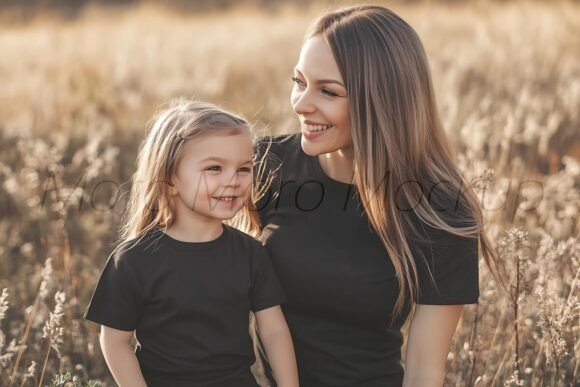
Opening the Mom and Little Girl Valentine Mockup file, I was immediately struck by the warmth and tenderness of the design. It’s a heartwarming visual pairing that feels perfect for Valentine’s Day but could easily stretch into Mother’s Day or personalized gift lines. The mockup presents a clean, high-resolution PNG image that gives a realistic preview of how the embroidery would look on a finished product—most likely a sweatshirt or tote bag. The layout is centered and symmetrical, which suggests it's intended for a standard embroidery hoop size, though that will need verification once the actual embroidery file is tested.
What stands out is the emotional tone. It’s soft, feminine, and family-oriented—ideal for Etsy sellers or boutique shops that cater to sentimental, handmade items. The mockup itself doesn’t include the embroidery file, just the PNG preview, so designers will need to source the actual machine file separately or confirm it’s included in the package.
Real-Life Embroidery Applications
I tested this mockup concept by visualizing it on a few common embroidery items. First, I imagined it stitched onto a light-colored sweatshirt. The clean background and simple composition would make the design pop without overwhelming the garment. It would also work well on a baby onesie or toddler sweatshirt, especially for a holiday-themed collection. The mockup’s resolution is high enough to scale down for smaller items like tea towels or pillow covers, though extra care would be needed to ensure small facial details don’t get lost in smaller hoop sizes.
For Etsy sellers or small craft businesses, this design has gift appeal. It reads clearly as a “mom and child” pairing, which makes it instantly marketable. If you're selling embroidered baby gifts or personalized apparel, this mockup gives a solid visual of how the final product might look. That’s especially helpful when creating listings or marketing materials for digital products or print-on-demand stores.
Potential Fabric and Surface Considerations
One thing I noticed when evaluating the mockup is that the design includes some delicate facial features and soft outlines. These details could be at risk on textured or stretchy fabrics like fleece or knits. The satin stitch outlines may pucker on unstable fabrics if not properly stabilized during stitching. For cotton or canvas tote bags, it should perform well, but on curved surfaces like baseball caps or baby hats, the design may need to be resized or repositioned to avoid distortion.
Dark fabrics could also pose a challenge unless the thread colors are carefully selected. Since the mockup is presented on a light background, it's hard to tell how the same design would look with contrasting thread on black or navy garments. I’d recommend testing the embroidery file on both light and dark fabric swatches before production, especially if you're selling variations.
Stitch Density and Detail Retention
The mockup gives a sense of the design’s detail level, but without the actual embroidery file, it's hard to assess stitch density. Still, based on the clarity of the image, it appears to be a moderate stitch count—dense enough to hold shape and definition, but not so heavy that it would weigh down lightweight fabric. However, if the file includes a lot of satin stitching around the faces or clothing, that could be problematic on stretchy material unless the design is digitized with underlay and proper tension in mind.
Another thing to watch for is small lettering or decorative accents. If the design includes text like “Mom & Me” or “Love You to the Moon,” that lettering could become illegible in smaller hoop sizes. Always check how those elements scale before applying the design to baby items or patches.
Commercial Use and Licensing
Since the product description mentions it’s perfect for print-on-demand businesses and commercial use, I’d strongly recommend reviewing the licensing terms before using this design in any resale capacity. Just because a mockup is labeled for commercial use doesn’t always mean the embroidery file itself is. Always verify that the embroidery file you receive is also cleared for resale or commercial embroidery projects, especially if you're an Etsy seller or digital product creator.
Stabilizer and Thread Selection
Even though the mockup doesn’t show thread colors or fabric types, it’s safe to assume that this design will benefit from a mid-weight stabilizer. For best results, I’d suggest using a tear-away or cut-away stabilizer depending on the fabric. If you're working with a stretchy sweatshirt material, a lightweight fusible interfacing could help maintain the integrity of the design.
Thread color selection is key here. Since the mockup is on a light background, I’d recommend using soft pastels or neutral tones to keep the design feeling gentle and approachable. For a bolder look, switching to red or pink thread for Valentine’s Day items could work—but always test on fabric first.
Presentation and Branding Impact
From a branding standpoint, Mom and Little Girl Valentine Mockup has a clean, modern aesthetic that would fit well in boutique shops or personalized gift lines. It’s not overly busy, which makes it ideal for minimalist branding or curated collections. The mockup itself is a useful tool for digital product sellers who need to show potential buyers how the finished item will look before purchase.
However, if you're selling physical handmade items, don’t rely solely on the mockup. Actual stitching results can vary based on machine, thread, and fabric. Always photograph your finished product to ensure consistency and authenticity in your branding.
Final Thoughts for Embroidery Designers and Craft Entrepreneurs
Overall, Mom and Little Girl Valentine Mockup is a thoughtful design concept that speaks to a specific audience—mothers, gift buyers, and sentimental shoppers. It’s versatile enough to work across multiple product types, from sweatshirts to baby clothes, and has the visual appeal to draw attention in an online shop or at a craft fair.
But as with any embroidery design, real-world testing is essential. Before mass production or listing the design for sale, test it on different fabrics, verify the stitch density, and confirm licensing terms. Use the mockup as a visual guide, not a guarantee of performance.
If you're an embroidery designer or small business owner looking to expand your seasonal product line, this mockup offers a solid starting point. Just remember: the real value lies in how the design stitches out—not just how it looks in a PNG preview.